Applications of Hydraulic Oil Cooler in Different Industries
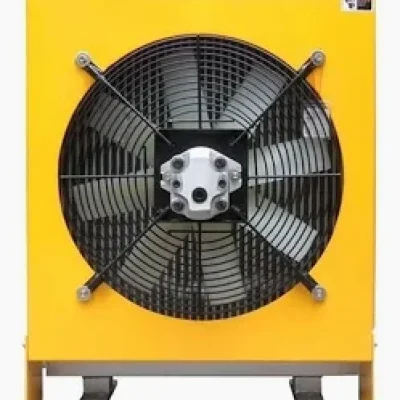
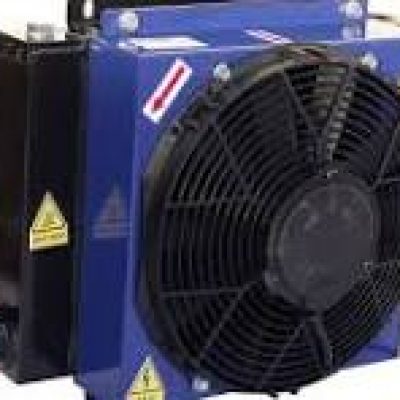
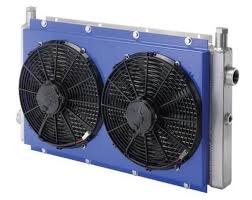
Hydraulic oil coolers are used in a wide range of industries where hydraulic systems operate under high pressure and continuous working conditions. These cooling devices help maintain equipment reliability and improve overall productivity.
Construction Industry
Construction machines such as excavators, loaders, cranes, and bulldozers depend heavily on hydraulic systems. These machines often work in demanding environments for long hours, which generates excessive heat.
A hydraulic oil cooler helps construction equipment by:
- Maintaining stable hydraulic oil temperature
- Preventing overheating during heavy operations
- Improving machine efficiency
- Reducing unexpected breakdowns
Manufacturing Industry
Manufacturing plants use hydraulic machines for production processes such as pressing, molding, and material handling. Continuous operation can increase hydraulic fluid temperature.
Hydraulic oil coolers help manufacturing equipment maintain consistent performance and reduce production interruptions.
Common applications include:
- Hydraulic presses
- Injection molding machines
- CNC hydraulic systems
- Automated production equipment
Agricultural Machinery
Modern agricultural equipment uses hydraulic systems for improved performance and automation. Tractors, harvesters, and agricultural loaders require effective temperature control during long working hours.
A hydraulic oil cooler protects agricultural machinery by reducing heat buildup and improving reliability in demanding field conditions.
Mining Industry
Mining equipment operates in extreme conditions where high temperatures and heavy loads are common. Hydraulic oil coolers are essential for maintaining the performance of mining machines.
Applications include:
- Drilling equipment
- Mining loaders
- Crushing machines
- Heavy transport vehicles
Marine and Offshore Applications
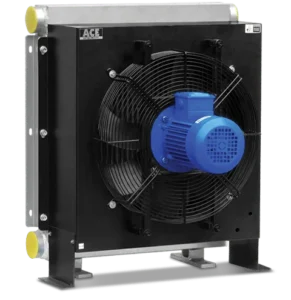
Marine equipment requires reliable hydraulic systems for steering, lifting, and loading operations. Hydraulic oil coolers help maintain performance even in challenging environments.
Factors to Consider Before Choosing a Hydraulic Oil Cooler
Selecting the right hydraulic oil cooler is important for achieving maximum efficiency and long-term performance. Several factors should be considered before making a purchase.
Cooling Capacity
The cooling capacity of the hydraulic oil cooler should match the heat generated by the hydraulic system. Choosing a cooler with insufficient capacity may result in overheating.
Oil Flow Rate
The cooler must support the required hydraulic oil flow rate. Incorrect flow selection can reduce cooling efficiency and increase pressure losses.
Operating Pressure
Always check the maximum pressure rating of the hydraulic oil cooler. The cooler should be compatible with the pressure requirements of your hydraulic system.
Working Environment
Environmental conditions affect cooler performance. Machines operating in dusty, hot, or outdoor environments may require specialized cooling solutions.
Size and Installation Space
The available installation space should be considered before selecting a hydraulic oil cooler. Compact models are suitable for machines with limited space.
Cooling Method
Choosing between air cooled and water cooled hydraulic oil coolers depends on the application.
Air cooled systems are suitable for mobile equipment, while water cooled systems are preferred for industrial applications requiring higher cooling performance.
Common Causes of Hydraulic Oil Overheating
Hydraulic oil overheating can reduce machine efficiency and cause serious damage. Understanding the causes helps prevent future problems.
Insufficient Cooling Capacity
Using a small or unsuitable hydraulic oil cooler may not remove enough heat from the system.
Dirty Cooling Fins
Dust and debris can block airflow and reduce the cooling performance of air cooled hydraulic oil coolers.
Low Hydraulic Oil Level
Insufficient oil levels increase friction and heat generation inside the hydraulic system.
Poor Maintenance
Lack of regular inspection and cleaning can reduce cooler efficiency and lead to overheating problems.
High Operating Pressure
Excessive system pressure creates additional heat, increasing the demand on the hydraulic oil cooler.
Hydraulic Oil Cooler Maintenance Tips
Regular maintenance ensures better performance and extends the service life of hydraulic cooling systems.
Clean Cooling Surfaces Regularly
For air cooled hydraulic oil coolers, remove dust and dirt from cooling fins to maintain proper airflow.
Check for Oil Leaks
Inspect hoses, connections, and cooler components regularly to identify leaks before they become major issues.
Monitor Oil Temperature
Installing temperature monitoring systems helps identify overheating problems early.
Inspect Fans and Pumps
Cooling fans and pumps should be checked regularly to ensure they are operating correctly.
Replace Damaged Parts
Damaged seals, tubes, or fittings should be replaced immediately to avoid system failure.
Latest Trends in Hydraulic Oil Cooling Technology
Hydraulic cooling technology continues to improve with new innovations designed to increase efficiency and reduce energy consumption.
Smart Temperature Monitoring
Modern hydraulic oil coolers can be equipped with sensors that monitor oil temperature and system performance in real time.
Energy Efficient Cooling Systems
Advanced coolers use improved designs to provide better heat transfer while consuming less energy.
Compact Hydraulic Coolers
Manufacturers are developing smaller and lighter hydraulic oil coolers that provide high cooling performance in limited spaces.
Automated Cooling Control
Modern systems can automatically adjust cooling performance according to operating conditions.
Frequently Asked Questions About Hydraulic Oil Cooler
What is the main purpose of a hydraulic oil cooler?
The main purpose of a hydraulic oil cooler is to remove excess heat from hydraulic oil and maintain a safe operating temperature.
How does a hydraulic oil cooler improve machine performance?
It prevents overheating, maintains oil quality, improves lubrication, and helps hydraulic components work efficiently.
Which is better: air cooled or water cooled hydraulic oil cooler?
Air cooled models are suitable for mobile equipment, while water cooled models are better for heavy industrial applications requiring high cooling capacity.
How often should a hydraulic oil cooler be maintained?
Regular inspection should be performed according to equipment usage. Cleaning and checking components regularly helps maintain efficiency.
Can a hydraulic oil cooler increase equipment life?
Yes, proper cooling reduces wear on hydraulic components and helps extend the overall life of machinery.
Conclusion
A hydraulic oil cooler is an essential component for maintaining the efficiency, reliability, and performance of hydraulic systems. Excessive heat can damage hydraulic components, reduce productivity, and increase maintenance costs. By controlling oil temperature, hydraulic oil coolers help machines operate smoothly under demanding conditions.
Whether used in construction equipment, manufacturing plants, agricultural machinery, mining systems, or marine applications, a properly selected hydraulic oil cooler provides long-term benefits.
Choosing the right cooling capacity, maintaining the system regularly, and monitoring operating conditions can significantly improve hydraulic equipment performance.
Investing in a high-quality is a smart decision for industries that depend on reliable machinery operation and want to reduce downtime and maintenance expenses.
SEO Keywords
- Hydraulic Oil Cooling System
- Air Cooled
- Water Cooled
- Hydraulic Heat Exchanger
- Industrial Hydraulic Cooler
- Hydraulic System Cooling
- Hydraulic Equipment Maintenance
- Hydraulic Oil Temperature Control
- Heavy Machinery Oil Cooler
- Hydraulic Cooler Manufacturer
- Hydraulic Cooling Solutions