Air Cooled vs Water Cooled Hydraulic Oil Cooler: Which One Is Better?
SEO Title
Air Cooled vs Water Cooled Hydraulic Oil Cooler: Complete Comparison Guide
Meta Description
Compare air cooled and water cooled hydraulic oil coolers to understand their benefits, applications, differences, and how to choose the right hydraulic cooling solution for your machinery.
Introduction
Hydraulic systems are widely used in industries such as construction, manufacturing, agriculture, mining, and heavy machinery. These systems generate heat during operation due to friction, pressure, and continuous movement of hydraulic components. If this heat is not controlled properly, it can reduce efficiency and damage expensive equipment.
A hydraulic oil cooler is an essential component that helps maintain the correct operating temperature of hydraulic fluid. It removes excess heat and ensures smooth performance of hydraulic systems.
When selecting a hydraulic oil cooler, one of the most common decisions is choosing between an air cooled hydraulic oil cooler and a water cooled hydraulic oil cooler. Both types provide effective cooling, but they have different designs, advantages, and applications.
Understanding the difference between these two cooling systems helps industries select the right solution for their equipment.
What Is a Hydraulic Oil Cooler?
A hydraulic oil cooler is a heat exchanger designed to reduce the temperature of hydraulic oil. During machine operation, hydraulic fluid absorbs heat generated by pumps, motors, valves, and other components.
The hydraulic oil cooler transfers this heat away from the oil using a cooling medium such as air or water.
The main purpose of a hydraulic oil cooler is to:
- Prevent overheating
- Maintain oil quality
- Improve machine efficiency
- Protect hydraulic components
- Increase equipment lifespan
What Is an Air Cooled Hydraulic Oil Cooler?
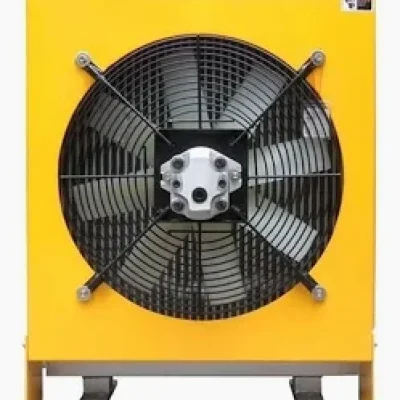
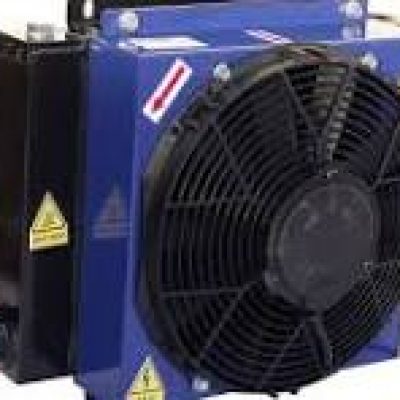
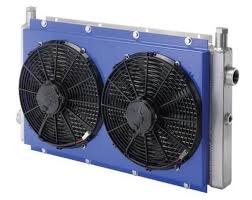
An air cooled hydraulic oil cooler uses surrounding air to remove heat from hydraulic oil. These coolers are equipped with cooling fins and fans that increase airflow across the heat exchanger surface.
The hot hydraulic oil passes through the cooler, and the fan pushes air over the cooling fins to remove heat before the oil returns to the hydraulic system.
Advantages of Air Cooled Hydraulic Oil Cooler
Easy Installation
Air cooled hydraulic oil coolers are simple to install because they do not require additional water supply systems or plumbing connections.
Low Maintenance
These coolers require less maintenance compared to water cooled systems because there is no risk of water contamination or scaling.
Suitable for Mobile Equipment
Air cooled models are ideal for machines that operate outdoors or move frequently.
Common applications include:
- Excavators
- Cranes
- Tractors
- Loaders
- Construction equipment
Cost Effective Solution
Air cooled hydraulic oil coolers generally have lower installation costs because they require fewer supporting components.
Disadvantages of Air Cooled Hydraulic Oil Cooler
Although air cooled systems provide many benefits, they also have some limitations.
Dependence on Ambient Temperature
Cooling performance depends on surrounding air temperature. In extremely hot environments, efficiency may decrease.
Requires Proper Airflow
Dust, dirt, and blocked airflow can reduce cooling performance.
Larger Installation Space
Some high-capacity air cooled models require more space due to fans and cooling fins.
What Is a Water Cooled Hydraulic Oil Cooler?
A water cooled hydraulic oil cooler uses water as a cooling medium to remove heat from hydraulic oil.
In this system, hydraulic oil flows through tubes while water circulates around them. Heat transfers from the oil to the water, allowing the hydraulic fluid to return at a lower temperature.
Water cooled hydraulic oil coolers are commonly used in industrial environments where continuous cooling performance is required.
Advantages of Water Cooled Hydraulic Oil Cooler
High Cooling Efficiency
Water transfers heat more effectively than air, making water cooled hydraulic oil coolers suitable for high-performance applications.
Stable Temperature Control
These systems maintain consistent cooling even when machines operate continuously under heavy loads.
Compact Design
Water cooled coolers can provide high cooling capacity in a smaller space compared to some air cooled models.
Suitable for Industrial Applications
Common uses include:
- Manufacturing plants
- Hydraulic presses
- Marine systems
- Power plants
- Industrial machinery
Disadvantages of Water Cooled Hydraulic Oil Cooler
Requires Water Supply
Water cooled systems need a reliable water source and additional plumbing arrangements.
Higher Maintenance Requirements
Regular cleaning is required to prevent scaling and corrosion inside the cooling tubes.
Installation Cost
The initial installation cost can be higher because of additional equipment requirements.
Air Cooled vs Water Cooled Hydraulic Oil Cooler Comparison
Cooling Performance
Water cooled hydraulic oil coolers generally provide higher cooling efficiency because water absorbs heat faster than air.
Air cooled systems work effectively for normal operating conditions and mobile applications.
Installation
Air cooled coolers are easier to install because they do not require water connections.
Water cooled coolers require additional plumbing and water circulation systems.
Maintenance
Air cooled hydraulic oil coolers usually require simple cleaning of fins and fans.
Water cooled systems require regular inspection of tubes and water quality.
Operating Environment
Air cooled systems are suitable for outdoor and mobile equipment.
Water cooled systems are better for controlled industrial environments.
Cost
Air cooled hydraulic oil coolers generally have lower installation costs.
Water cooled models may have higher initial costs but provide excellent cooling performance for heavy-duty operations.
Which Hydraulic Oil Cooler Is Better?
The best hydraulic oil cooler depends on your application requirements.
Choose an air cooled hydraulic oil cooler if:
- You need simple installation
- Equipment operates outdoors
- Water supply is unavailable
- Low maintenance is preferred
Choose a water cooled hydraulic oil cooler if:
- High cooling capacity is required
- Machines operate continuously
- Space is limited
- Industrial performance is important
Both systems are effective when selected according to operating conditions.
Factors to Consider Before Buying a Hydraulic Oil Cooler
Heat Load Requirement
Select a cooler based on the amount of heat generated by your hydraulic system.
Hydraulic Oil Flow Rate
Ensure the cooler can handle the required oil circulation rate.
Working Pressure
Check that the cooler matches the pressure specifications of your equipment.
Environmental Conditions
Consider temperature, dust levels, and operating location.
Maintenance Requirements
Choose a system that matches your maintenance capabilities.
Importance of Proper Hydraulic Oil Cooler Maintenance
Regular maintenance improves performance and prevents unexpected failures.
Important maintenance practices include:
- Cleaning cooling surfaces
- Checking oil temperature
- Inspecting connections
- Monitoring leaks
- Replacing damaged components
- Checking fan or water flow performance
Proper maintenance ensures long-term reliability and efficiency.
Frequently Asked Questions (FAQs)
What is the difference between air cooled and water cooled hydraulic oil cooler?
Air cooled coolers use airflow to remove heat, while water cooled coolers use water circulation for heat transfer.
Which hydraulic oil cooler is more efficient?
Water cooled hydraulic oil coolers usually provide higher cooling efficiency, especially for industrial applications.
Are air cooled hydraulic oil coolers better for mobile machines?
Yes, air cooled models are commonly used for mobile equipment because they are easy to install and maintain.
Do hydraulic oil coolers increase machine life?
Yes, they reduce overheating and protect hydraulic components, helping machines operate longer.
How often should a hydraulic oil cooler be maintained?
Maintenance frequency depends on operating conditions, but regular inspection is recommended.
Conclusion
Choosing the right hydraulic oil cooler is important for maintaining hydraulic system performance and equipment reliability. Both air cooled and water cooled hydraulic oil coolers offer unique advantages depending on the application.
Air cooled hydraulic oil coolers are ideal for mobile equipment and simple installations, while water cooled hydraulic oil coolers are better suited for heavy industrial operations requiring powerful cooling performance.
By understanding your machine requirements, operating environment, and maintenance needs, you can select the best hydraulic oil cooler to improve efficiency, reduce downtime, and extend equipment life.
- Improves Equipment Performance: Hydraulic oil coolers maintain the ideal oil temperature, allowing machines to operate smoothly and efficiently.
- Improves Equipment Performance: Hydraulic oil coolers maintain the ideal oil temperature, allowing machines to operate smoothly not
SEO Keywords
- Hydraulic Oil Cooler
- Air Cooled Hydraulic Oil Cooler
- Water Cooled Hydraulic Oil Cooler
- Hydraulic Cooling System
- Hydraulic Heat Exchanger
- Industrial Hydraulic Cooler
- Hydraulic Equipment Cooling
- Hydraulic Oil Temperature Control
- Heavy Machinery Cooling System
- Hydraulic System Maintenance